swimming with orcas (also called killer whales) is one of the most exhilarating wildlife encounters on Earth. It blends snorkeling or freediving with something that’s hard to put into words: sharing the water with highly intelligent, deeply social, matriarch-led pods of apex predators in their natural habitat.
Done responsibly, it can also be an educational, conservation-minded experience. You don’t “interact” with wild orcas the way you might imagine from theme-park narratives; instead, you observe and coexist briefly, following strict guidelines that prioritize the whales’ welfare and your safety.
This guide covers what makes orcas so fascinating, how to plan an ethical swim, what to wear and bring, where to go (and when), and what costs to expect so you can choose a reputable operator with confidence.
Why Swimming With Orcas Is So Memorable
Orcas are not only strikingly beautiful and powerful; they’re also among the most behaviorally complex marine mammals. Seeing them from a boat is incredible. Being in the water nearby can feel transformative because you get a front-row view of their movement, communication, and social bonds.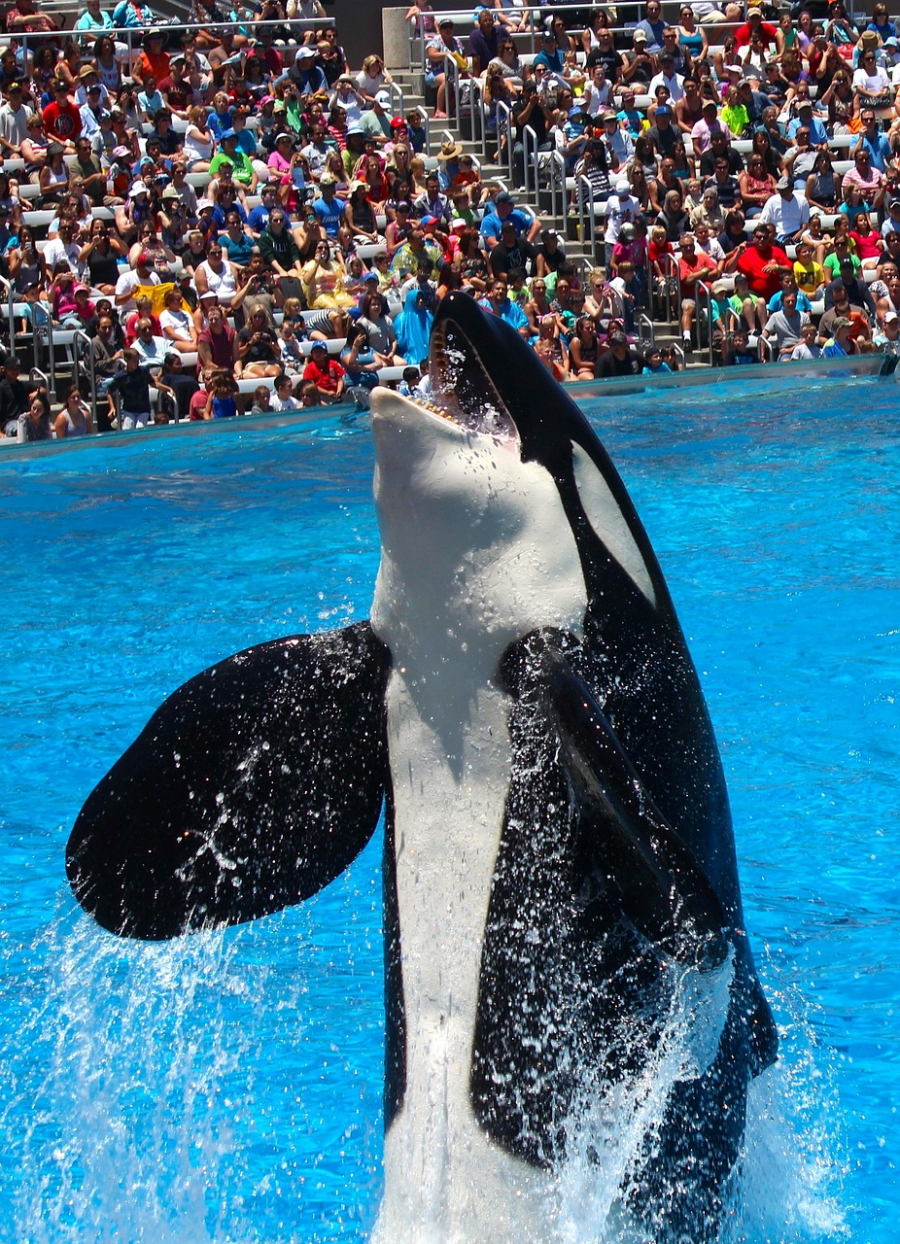
A rare window into a matriarch-led society
Orcas live in pods that can have stable, long-term social structures. Many groups are led by an older female (a matriarch) whose experience can influence where the pod travels and how it feeds. For swimmers, this often translates into a better appreciation of what you’re witnessing: not “a whale,” but a family system with roles, relationships, and learned behaviors.
Intelligence you can feel in real time
Orcas are known for sophisticated communication and coordinated hunting strategies. Even at a respectful distance, watching a pod travel, surface to breathe, and respond to one another can look like choreography—because in many ways, it is.
Adventure plus personal growth
Many travelers describe ethical wildlife encounters as a positive turning point: you come home with more than photos. You come home with sharper ocean awareness, a stronger conservation mindset, and a renewed respect for wildness—especially when you realize how much the best experiences are defined by restraint, patience, and good guiding.
Know the Animal: Orca Behavior Basics That Make You a Better (and Safer) Swimmer
You don’t need to be a marine biologist to swim responsibly, but understanding a few fundamentals helps you interpret what you see and avoid behavior that could disturb the whales.
Pods and “dialects”
Orcas communicate with clicks, whistles, and pulsed calls. In many regions, pods have recognizable call patterns sometimes described as dialects—learned vocal behaviors passed through the group over time. For swimmers, the practical takeaway is simple: these are social animals actively communicating, and your presence should never interfere with their ability to move, feed, or regroup.
Hunting strategies can be cooperative (and highly specialized)
Depending on the population and region, orcas may focus on different prey (for example, fish such as herring or salmon in some areas). They can use coordinated tactics such as herding fish into tight balls. If you encounter whales that appear to be foraging, the ethical approach is to give them extra space and let your guide determine whether entering the water is appropriate at all.
Curiosity is not an invitation
Orcas may seem curious and occasionally pass near swimmers, but that does not mean they want contact. Ethical operators treat any close pass as something to receive calmly, not something to pursue.
Ethics First: What Responsible Swimming With Orcas Looks Like
Ethical and safety considerations aren’t “fine print” for this activity; they’re the entire foundation. The goal is an encounter that is natural, brief, non-invasive, and guided by the whales’ choices.
Core rules you should follow every time
- Follow your guide’s instructions immediately and exactly. They’re trained to read behavior, conditions, and risk.
- Maintain respectful distance and never chase. Specific distances can vary by local regulation and situation, so treat your guide’s direction as the standard in the moment.
- Do not touch or feed orcas. Touching can stress wildlife and may disrupt natural behaviors; feeding can condition animals to associate humans with food.
- Move slowly in the water. Avoid splashing, sudden dives toward the whales, or rapid finning that can look like pursuit.
- Limit noise and clutter. Keep group sizes controlled, avoid unnecessary shouting, and keep equipment streamlined.
- Never block the whales’ path. Ethical positioning is off to the side, leaving a clear travel corridor.
Why these guidelines protect both whales and swimmers
Orcas are large, fast, and powerful. Even without aggression, a tail movement, a sudden change in direction, or the wake of a passing animal can create strong water movement. Distance and calm behavior reduce risk and help ensure the whales aren’t stressed, displaced from feeding areas, or forced to alter their natural patterns.
Choosing ethics is choosing better encounters
Benefit-driven truth: the most meaningful swims are typically the least intrusive. When animals behave naturally—traveling, socializing, foraging at a normal pace—your experience becomes richer and more authentic. Ethical rules aren’t barriers; they’re the reason the activity can remain viable and awe-inspiring.
Safety Essentials: How to Prepare for a Confident, Comfortable Swim
Orca swims commonly involve snorkeling at the surface or short freediving dips (depending on local rules, conditions, and operator practices). Regardless of the exact format, preparation makes the experience safer and more enjoyable.
Listen to briefings like they matter (because they do)
Expect a pre-swim briefing that covers entry and exit, group formation, hand signals, distance rules, and what to do if conditions change. Treat this as a performance checklist: your calm, predictable behavior is a major part of both safety and ethics.
Be honest about your ability
Strong swimming skills and comfort in open water are a major advantage. If you’re new to snorkeling or prone to seasickness or anxiety in cold water, tell your operator in advance. Reputable guides would rather adapt the plan than push someone into a stressful situation.
Cold water is a real factor in top destinations
Several prime orca locations are in colder climates. Cold water changes everything: breath control, stamina, dexterity, and comfort. Proper thermal gear can be the difference between a once-in-a-lifetime experience and an early exit due to chill.
Gear Checklist: What to Wear and Bring for Swimming With Orcas
Many operators provide key equipment, but knowing what you need helps you pack smart and avoid last-minute surprises.
Must-have equipment
- Wetsuit appropriate for local water temperatures. In colder conditions, thicker suits are common, and some swimmers may use additional thermal protection such as gloves and hoods if permitted and recommended by the operator.
- Mask with a secure, comfortable seal for clear underwater visibility.
- Snorkel to breathe efficiently at the surface while conserving energy.
- Fins for controlled propulsion and easier positioning without frantic kicking.
Nice-to-have (when used responsibly)
- Underwater camera for capturing memories, as long as it doesn’t distract you from safety cues or lead to chasing behavior.
- Anti-fog solution (or operator-approved alternatives) for a clearer view.
- Seasickness management if you’re sensitive, especially when boat time is significant.
Fit and familiarity matter more than brand names
The best gear is the gear you can use calmly. A leaky mask, poorly fitting fins, or an unfamiliar snorkel can cause stress that spills into the whole group’s experience. If possible, practice in a pool or calm water before your trip.
Where to Swim With Orcas: Top Destinations and Best Seasons
Orcas are found worldwide, but only certain places reliably combine sightings, conditions suited to snorkeling or freediving, and established guiding practices. Seasonality matters because orca presence often follows prey movements.
| Destination | Best season (typical) | What makes it special |
|---|---|---|
| Norway | Oct–Jan | Often timed around herring migrations, which can attract orcas into fjord systems and coastal waters. |
| New Zealand | Dec–Mar | Summer conditions and seasonal patterns can support sightings; experiences vary by region and operator practices. |
| Canada | Jul–Oct | Summer into early fall can align with salmon runs in some areas, supporting orca presence and viewing opportunities. |
| Alaska | May–Sep | Warmer-season access and productive coastal waters can offer strong chances for wildlife-rich marine trips. |
Norway (Oct–Jan): Cold-water clarity and herring-season energy
Norway is one of the most talked-about destinations for orca swims, particularly in late autumn and winter when herring migrations can bring orcas closer to accessible waters. The combination of dramatic scenery and wildlife density can make for an unforgettable expedition-style trip.
Planning tip: Prioritize operators that emphasize calm entries, conservative distancing, and minimal time in the water per encounter to reduce disturbance—especially when whales may be feeding.
New Zealand (Dec–Mar): Summer timing and varied coastal encounters
New Zealand’s summer months can be a popular window for marine wildlife travel. Orca encounters are never guaranteed (they’re wild animals), but this season is often cited for activity and accessibility. The best approach is to plan for the overall marine adventure: even when orcas aren’t present, many tours focus on education and responsible observation.
Canada (Jul–Oct): Summer conditions and salmon-linked presence
In parts of Canada, mid-to-late summer can correspond with salmon runs, which can influence where and when orcas are observed. Water temperatures are often more comfortable than high-latitude winter options, though wetsuits are still typically essential.
Alaska (May–Sep): Big nature, long days, and productive waters
Alaska’s late spring through summer season offers access to coastal regions with rich marine life. Orca-focused outings can be part of a broader wildlife trip that includes glaciers, seabirds, and other whales. As always, local conditions and operator standards shape how (and whether) in-water encounters occur.
How Much Does It Cost to Swim With Orcas?
Pricing varies by destination, inclusions, and trip style. As a general guideline, many guided experiences fall in the $100 to $500 range per person.
What can affect the price
- Trip length (short outing vs. full-day excursion)
- Group size (smaller groups can cost more and often feel more controlled)
- Included equipment (wetsuits, masks, fins, and sometimes dry storage)
- Expertise on board (some trips include naturalists or staff focused on education and wildlife interpretation)
- Logistics (remote departure points, boat type, fuel costs, and seasonal demand)
Value-focused mindset: spend for standards, not just access
If you’re comparing operators, the best “deal” is often the one that invests in safety briefings, conservative decision-making, and responsible practices. In wildlife tourism, quality guiding is part of what you’re paying for—and it can dramatically improve both your experience and the animals’ welfare.
How to Choose a Reputable Orca Swim Operator
Your operator choice is the single biggest factor in whether your experience is safe, ethical, and genuinely meaningful.
Look for these green flags
- Clear wildlife ethics policy explained before booking (not just on the day).
- Strong pre-trip briefing that sets expectations about distance, time in water, and no-touch rules.
- Guide-led entries and exits with emphasis on group control and calm behavior.
- Respect for animal choice, including willingness to skip in-water time if conditions or whale behavior make it inappropriate.
- Education-forward approach (behavior interpretation, ecology, conservation context).
- Conservation and research support through partnerships, donations, data sharing, or responsible practices that reduce disturbance.
Questions worth asking before you book
- What are your in-water rules regarding approach distance and swimmer positioning?
- How do you decide whether it’s appropriate to enter the water?
- How many swimmers are in the water at once?
- What equipment is included, and what should I bring?
- Do you follow local marine mammal viewing guidelines and any permit requirements?
- How do you minimize disturbance during feeding or resting behaviors?
What the Best Encounters Feel Like (and Why They’re So Powerful)
A well-run orca swim isn’t a chaotic scramble for photos. It’s structured, calm, and surprisingly peaceful. You may spend time scanning from the boat, listening for cues from the crew, and entering the water only when conditions align.
When it comes together, the reward is extraordinary: the silent glide of a large animal moving with ease; the rise and fall of breathing at the surface; the sense of a pod traveling as a unit; and the realization that you’re witnessing a living culture—one that has evolved in a specific ocean place over generations.
Travelers often report that the encounter reshapes how they think about the sea. Not because they were close enough to touch (they shouldn’t be), but because they were close enough to understand that wild animals deserve space, and that respecting that space makes the moment feel even bigger.
Responsible Photography and Filming Tips
Capturing the moment can be part of the fun, but the best souvenir is a safe, ethical experience. Keep your camera use simple and non-disruptive.
- Prioritize awareness: keep looking for guide signals and pod movement.
- Avoid chasing angles: if you have to fin hard to “get the shot,” it’s not worth it.
- Use streamlined setups: bulky rigs can slow you down and make you less stable in the water.
- Keep expectations realistic: sometimes the best moments are brief, distant, and perfect exactly because they’re natural.
Quick Planning Checklist
- Pick the right season for your destination (Norway Oct–Jan; New Zealand Dec–Mar; Canada Jul–Oct; Alaska May–Sep).
- Book a reputable operator with strict ethics and safety practices.
- Confirm gear: wetsuit, mask, snorkel, fins (and any thermal accessories recommended locally).
- Prepare physically: comfort in open water, controlled breathing, and basic snorkeling competence help a lot.
- Commit to respectful behavior: no touching, no feeding, no chasing, and always follow the guide.
Final Thoughts: The Best Orca Swim Is One That Leaves No Trace
Swimming with orcas can be one of the most thrilling, joy-filled adventures in ocean travel—especially when you approach it with the mindset that you’re entering their world briefly and on their terms. When you choose a responsible operator, wear the right gear, and understand the basics of orca behavior, you set yourself up for an encounter that’s not only unforgettable, but also aligned with conservation and respect.
That combination—adventure plus ethics—is what turns a bucket-list idea into a genuinely meaningful wildlife experience.
